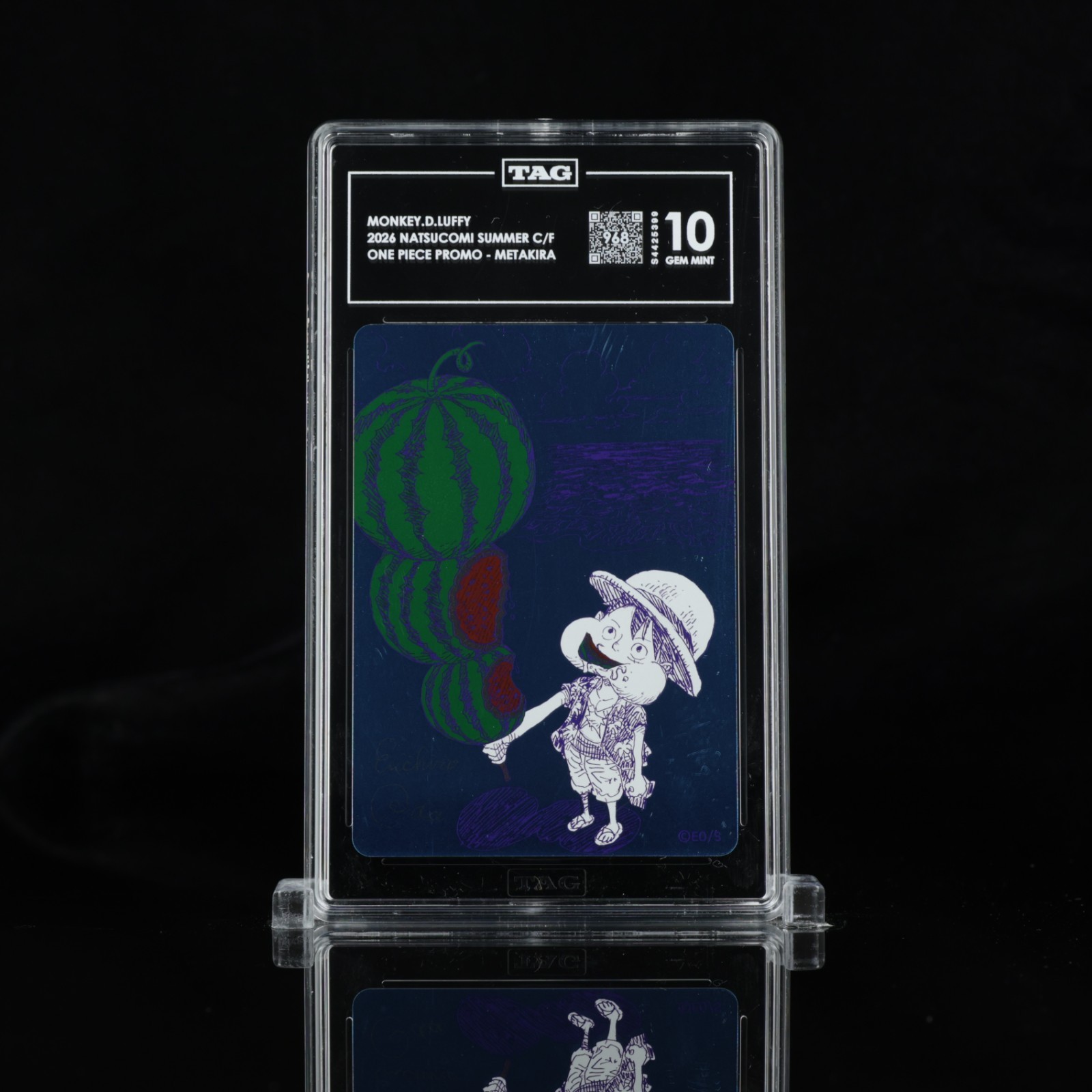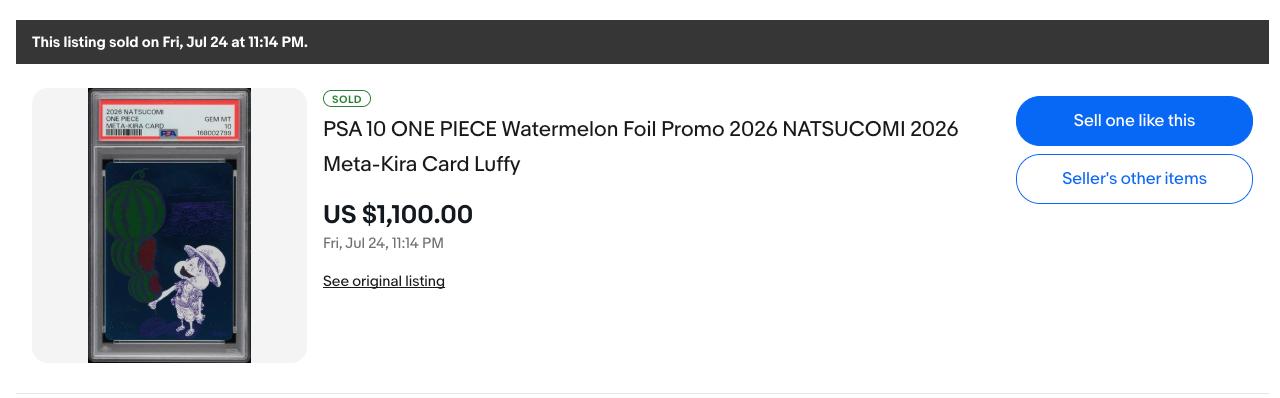
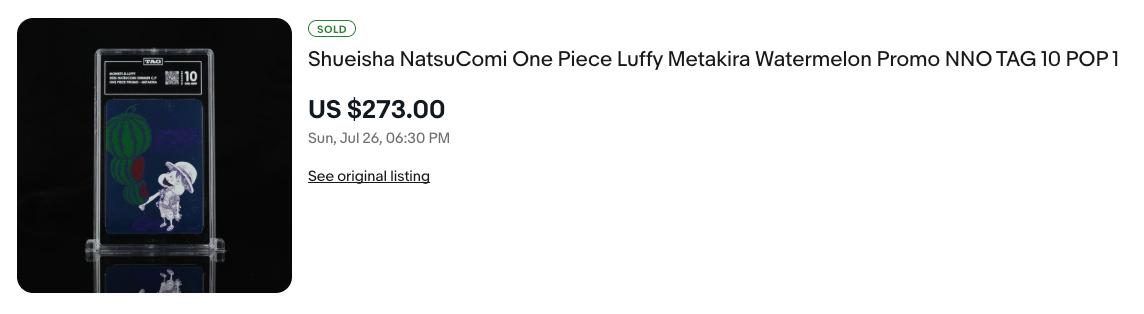
The $827 gap is the hook, not the verdict
The easy reaction is to treat the PSA sale as the card's true value and the TAG sale as the discount. That is too simple. Buyers were not only comparing two cards. They were comparing resale habits, slab familiarity, search behavior, auction timing, platform badges, and how comfortable they felt trusting a newer grading brand at checkout.
TAG may be giving collectors more card information
The strongest argument for TAG is not that every TAG 10 should instantly match every PSA 10 comp. It is that TAG gives collectors more visible grading detail than the old label-first model. A cleaner slab, technical grading data, and clearer condition transparency can matter a lot to collectors who want to understand the card, not just buy the label.
PSA's premium is partly liquidity, partly habit
For many collectors, PSA 10 is still the default comp language. It is what they search, filter, track, and quote when deciding whether a modern promo is worth stretching for. That does not automatically mean the PSA card is better. It means PSA has deeper resale liquidity, more historical comps, and a long-established place in buyer behavior. That kind of market position can create a premium even when a newer holder may offer better grading transparency.
Value-based grading economics shape collector behavior
Collectors also understand that the legacy grading market is not only about condition. Submission tiers, declared values, resale premiums, and brand recognition all become part of the economics around a slab. When the market pays extra mainly because of the label, it can feel less like a pure card-quality signal and more like a liquidity toll collectors accept to reach the biggest buyer pool.
eBay's Authenticity Guarantee can change buyer psychology
eBay currently lists PSA, SGC, CGC Cards, and Beckett Grading Services as accepted graded-card companies for trading-card Authenticity Guarantee eligibility. TAG is not listed. At $250 and up, that badge can matter because the buyer is weighing more than the slab grade: they are weighing authentication flow, platform protection, and confidence that the holder itself will be reviewed. See eBay's trading-card eligibility page.
Watchers showed the TAG copy had demand
Our auction had 54 watchers, which is not nothing. It showed real attention for the TAG 10 copy, even if the final bid did not reach PSA-style money. Watchers include comp trackers, curious collectors, underbidder hopefuls, and people waiting to see whether the market is still mispricing TAG slabs.
Auction may have exposed the gap instead of solving it
Some cards should be tested in open bidding, but newer-holder cards can need more patience than a short auction window gives them. A TAG 10 with strong photos, clear technical appeal, and a thinner but interested buyer pool may benefit from Buy It Now, Best Offer, repricing, or direct buyer-message handling instead of letting one auction close define the market.
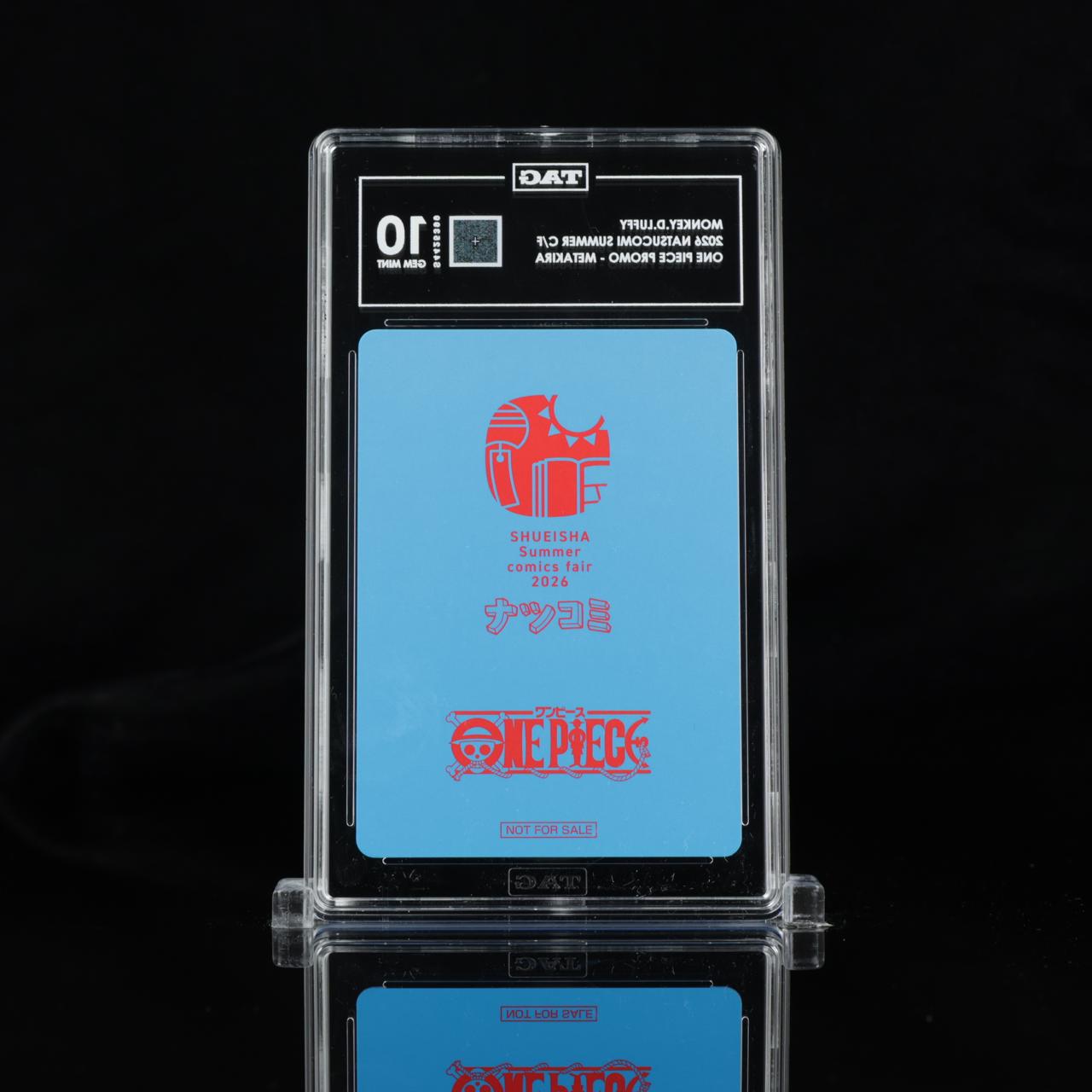
The TAG slab itself still matters.
The photos help separate the card from the comp. This was not a vague market example; it was a real TAG 10 with real buyer attention, transparent presentation, and a market still deciding how much that data is worth.