Demand matters more than a big number
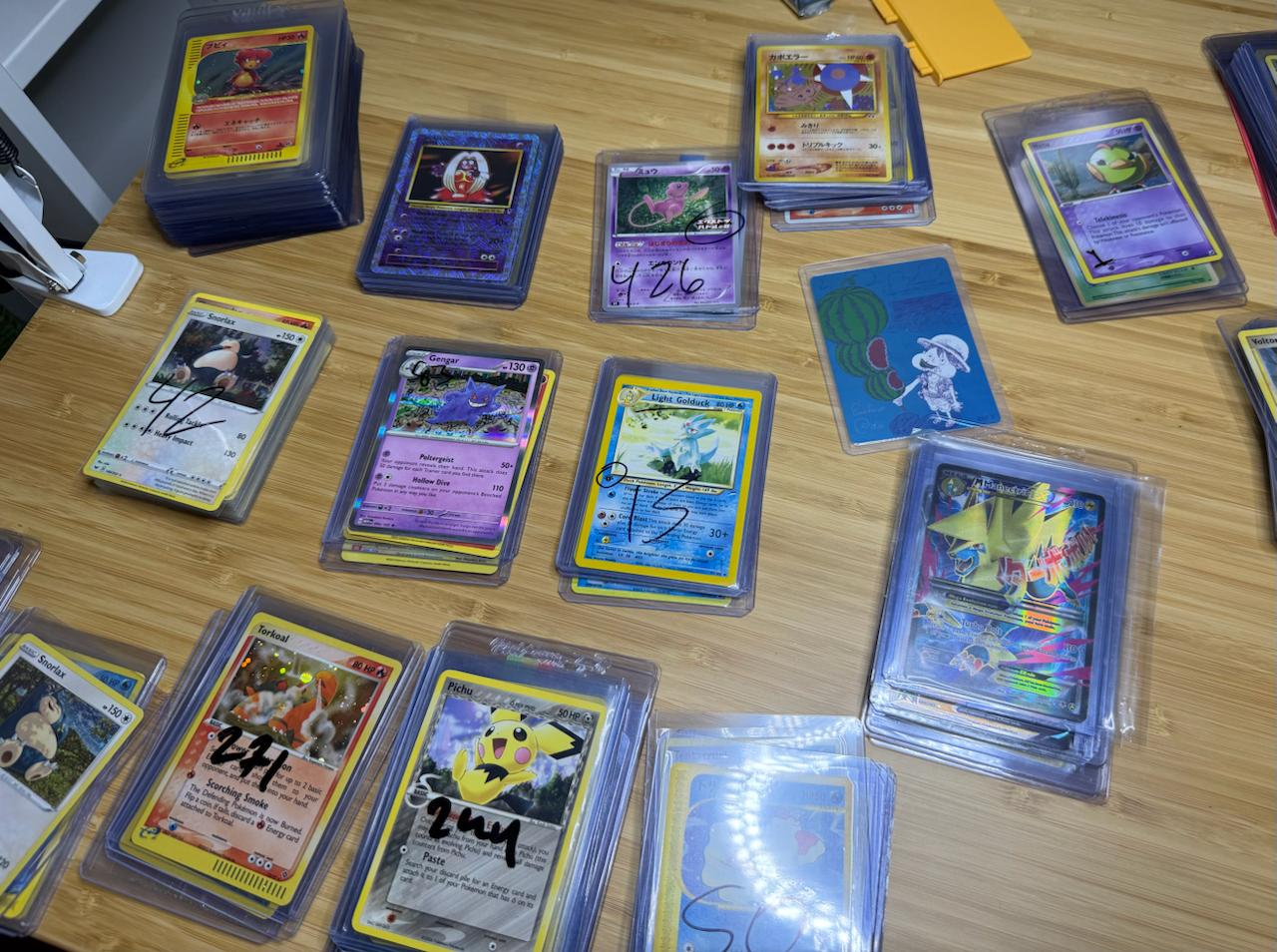
A Pokemon card can look valuable and still be hard to sell cleanly. The strongest consignment candidates usually have recent comparable sales, recognizable search terms, and enough active buyer demand that a properly built eBay listing can find the right audience. A rare card with no buyer activity may need more pricing patience than a popular modern chase card with steady completed sales.
Pokemon cards need precise listing language
A Charizard, Pikachu promo, Japanese exclusive, alternate art, stamped card, error card, or graded Pokemon slab may all need different title terms and buyer context. Set name, card number, language, grade, population notes, certification details, and condition notes can change how collectors find and trust the listing.
Other TCG cards behave differently
A serialized Magic card, a Disney Lorcana enchanted card, and a One Piece promo may all be worth selling individually, but each attracts a different buyer pool. Character names, set names, grading company preferences, and sale timing can all change the result. Consignment helps when those details need to be researched and presented clearly instead of rushed into a generic listing.
Condition-sensitive cards benefit from careful presentation
Raw Pokemon cards, older promos, surface-sensitive foils, autographs, stamped cards, and graded population pieces can swing heavily based on photos, title accuracy, condition notes, defects, and buyer confidence. If the difference between a lazy listing and a careful listing is meaningful, a trading card consignment service can earn its keep.
Graded Pokemon slabs still need pricing judgment
A slab does not remove the need for strategy. PSA, CGC, Beckett, SGC, TAG, and other holders can bring different buyer expectations. A PSA 10 comp may not transfer cleanly to a different grading company, and a high fixed price can scare away bidders if the card needs an auction to discover demand. A low auction close can also leave money behind when a card has a smaller buyer pool but strong private-offer interest. The goal is to match the card, holder, and listing format to the buyer pool.
Buy It Now and offers can protect some cards
Auction works best when there are enough ready bidders at the same time. For thinner markets, unusual slabs, fresh promos, or cards with a clear floor, Buy It Now with Best Offer can give a listing more time to find the right buyer. It also leaves room to handle questions and negotiate instead of accepting whatever a short auction window produces.
Your time has a cost
Listing one card means comp research, title writing, photos, description notes, buyer messages, packing, shipping, tracking, and possible follow-up after the sale. For collectors who do not want to manage that process, outsourcing the sale can be cleaner than learning every marketplace detail from scratch.
Consignment can reduce avoidable seller mistakes
Many card sales underperform because the listing title misses important keywords, photos hide condition issues, shipping protection looks weak, or the seller anchors to one unrealistic comp. A good review process should catch those issues before a card is listed and before expectations are set.
When to skip consignment
If a card is low value, heavily damaged, easy to sell locally, or better grouped with related cards, individual consignment may not be the best fit. That does not mean the card is worthless. It means the sale format should match the expected return, especially after marketplace fees, service fees, materials, shipping, and the time involved.