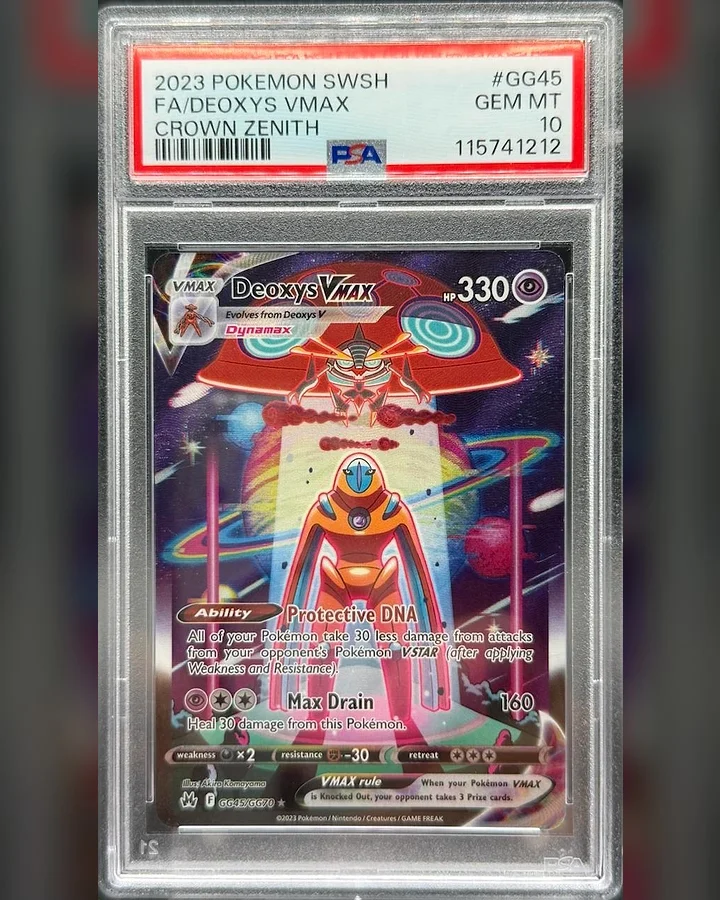
PSA lawsuit puts card grading under the microscope: PSA vs Beckett vs CGC vs TAG vs PCG
A newly reported federal lawsuit against PSA is putting card grading back into the hobby's least comfortable conversation: how much of a slab's value comes from the card, and how much comes from trust in the company grading it? The allegations are unproven, and PSA had not replied in the WMAR report. But the broader seller lesson is already useful. Grading can help, but the grading company you choose affects resale liquidity, buyer confidence, transparency, turnaround risk, and whether the math makes sense after fees.
A graded slab can make a card easier to sell, but the holder choice still affects liquidity, buyer trust, and final net.
Seller context
The lawsuit is not the verdict. The trust question is the point.
Collectors buy the card, the condition opinion, and the market confidence attached to the holder. That is why grading strategy belongs in the selling plan before a card is mailed anywhere.
Seller lens
A grade is only useful if the market pays more for it than it costs to get.
The right grader is not always the one with the nicest holder or the strictest reputation. It is the grader that best matches the card, buyer pool, selling platform, and expected resale premium.
LiquidityBuyer poolhow many buyers search and trust that holder
TransparencyEvidencehow clearly the grade explains condition
EconomicsNet liftsale premium minus grading, shipping, time, and risk
Grading comparison
PSA vs Beckett vs CGC vs TAG vs PCG
Each grading company can be the right choice for a specific card. The practical question is which holder gives the seller the best mix of trust, liquidity, transparency, and net return.
PSA
Best fit when resale liquidity matters most.
Pros
Deepest comp history and buyer familiarity
Strong search demand for PSA 10s
Accepted by eBay Authenticity Guarantee for eligible graded cards
Cons
Less condition detail than subgrade or report-heavy models
Value tiers, delays, and grade misses can hurt net
Recent lawsuit coverage adds trust and incentive questions for some collectors
Use PSA when the expected PSA premium is large enough to justify the cost and wait.
Beckett
Best fit for collectors who value subgrades and BGS label prestige.
Pros
Subgrades make centering, corners, edges, and surface easier to discuss
BGS 10 and Black Label demand can be strong on the right card
Accepted by eBay Authenticity Guarantee for eligible graded cards
Cons
Often less liquid than PSA for many Pokemon and modern TCG comps
Collectors may watch how Beckett changes under Collectors ownership
A strong Beckett grade does not always convert to PSA-style pricing
Use Beckett when subgrades are a selling point, not just because the card might gem.
CGC
Best fit for TCG collectors who want a recognized holder outside PSA.
Pros
Strong TCG presence and certification tools
Pristine 10 gives high-end cards a clear chase grade
Accepted by eBay Authenticity Guarantee for eligible graded cards
Cons
PSA can still command stronger resale premiums in many categories
Older label and scale changes can complicate comp research
Some buyers treat CGC 10s differently than PSA 10s
Use CGC when the card fits CGC's buyer base and the expected premium is visible in recent sold comps.
TAG
Best fit when transparency and technical grading data are the story.
Pros
Digital reports show defects, imaging, centering, and scoring detail
1000-point score can separate a high-end 10 from a weaker 10
Clean holder presentation photographs well for listings
Cons
Smaller resale market than PSA, Beckett, or CGC
Not listed by eBay among eligible graded-card companies for Authenticity Guarantee
Auction format can underprice TAG if the right buyers are not present
Use TAG when the card's buyer values data and you can give the listing enough time to find that buyer.
PCG
Best fit for collectors who like newer TCG-focused slabs and are comfortable with a thinner market.
Pros
TCG-forward positioning for Pokemon, Magic, Flesh and Blood, and Dragon Ball cards
Population report and submission tracking support basic buyer research
Can stand out visually when the collector wants a different holder
Cons
Much thinner resale history than the major graders
Not listed by eBay among eligible graded-card companies for Authenticity Guarantee
Many buyers will discount the holder until PCG comps deepen
Use PCG for personal collection appeal or niche buyers, not when maximum near-term resale liquidity is the priority.
What the PSA lawsuit actually changes for sellers
The lawsuit does not prove that PSA grades are wrong, and it should not be treated as a verdict against every PSA slab. What it does change is the conversation. If collectors are paying real money for a number on a label, they are allowed to ask how consistent the standard is, who applies it, what incentives surround it, and whether the same card might receive different market treatment in a different holder.
Grading is still an opinion market
Even when a company uses scanners, graders, checklists, or published standards, the final market value is still shaped by trust. Buyers do not pay only for centering and corners. They pay for confidence that the holder is real, the grade is credible, the population report is useful, and future buyers will recognize the same label when it is time to resell.
Best card grading company for resale depends on buyer pool
For many sellers, PSA is still the most practical choice because the resale market understands it quickly. PSA 10 is the easiest shorthand in many eBay searches, price guides, and collector conversations. That does not make PSA perfect. It means the best card grading company for resale is usually the one with the widest buyer pool for that exact card.
Beckett and CGC can be better fits for certain cards
Beckett's subgrades can help when a card has a story to tell: strong centering, sharp corners, or a surface that deserves more explanation than one number. CGC can make sense for TCG collectors who like its holder, registry tools, and Pristine 10 chase. The mistake is assuming every strong non-PSA grade should price like PSA. Sometimes it will. Often it will not.
TAG is the strongest transparency argument
TAG's appeal is not just the slab design. It is the ability to show technical detail behind the grade. For skeptical buyers, a Digital Imaging and Grading Report can be more persuasive than a label with no explanation. The tradeoff is liquidity. A transparent grade does not automatically create the same bidder depth as PSA, especially in a short auction window.
PCG is a niche play, not a liquidity default
PCG may appeal to collectors who like newer grading options and TCG-focused presentation, but sellers should be realistic. A thinner comp base means buyers have less pricing confidence. That can be fine for a personal collection or a niche buyer, but it is risky if the goal is to turn grading spend into the highest possible near-term eBay sale.
eBay eligibility matters above $250
For eligible trading-card listings, eBay's Authenticity Guarantee can influence buyer psychology. eBay lists PSA, SGC, CGC Cards, and Beckett among accepted graded-card companies for eligible graded cards. That does not mean other slabs are fake or bad. It means a seller may need stronger photos, better description work, and more patience if the slab does not carry the same platform confidence badge. See eBay's trading-card eligibility page.
Pokemon card grading vs selling raw
Not every card should be graded before sale. If the card is borderline, time-sensitive, likely to grade below the premium tier, or already valuable raw, Pokemon card grading can add cost without adding enough net. A clean raw listing with strong photos and honest condition notes can sometimes beat the wait, fee, and uncertainty of grading.
The consignment takeaway
A smart consignment review should ask one question before any grading decision: what is the expected net lift? If PSA adds $300 after all costs, it may be worth it. If TAG tells the card's condition story better but needs a fixed-price strategy, that can work too. If PCG or another niche holder mainly satisfies personal preference, it may be better to keep it personal instead of expecting the broad market to pay a premium.
Have cards in mind?
Submit portal details before you mail anything.
Share names, grades, condition notes, rough values, and optional reference links. Cards starting around $25 can be reviewed during launch, with $50+ still the best individual-card fit.